
"drought resistance"
300 article(s) found
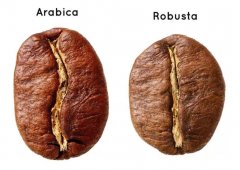
How many kinds of coffee do you have? A detailed introduction to the varieties of fine coffee beans. Coffee Knowledge Basics Teaching
With the development and change of the times, more and more people like to drink coffee, and the variety of coffee is very wide, different coffee has different tastes, the following is to introduce the types of common coffee. Coffee beans can be divided into two main types: Arabica and Robusta. Arabica: Arabica accounts for 65% to 80% of the total coffee market, and for the ring

What are the varieties of Arabica? what are the varieties of Arabica coffee beans?
For more information on coffee beans, please follow the Coffee Workshop (official Wechat account cafe_style) in 1981, Francisco Manchame, who runs a coffee farm in Camotan, Chiquimura, built a small Catimor plantation near the Pacamara tree. By means of natural hybridization

What is the most caffeinated coffee in common coffee trees?
Ethel sa is a variety that was discovered in 1904 and originated in the Charlie River Basin in Africa. It has small fruit and high yield per plant, especially a drought-resistant variety. The product has a strong flavor, slightly bitter taste and less cultivation. What are the types of coffee trees? There are four common varieties of coffee trees, and the editor has introduced them to you. Different varieties of coffee beans have different flavors, but that is

Introduction of taste treatment method for baking degree and flavor description of Sidamo coffee beans
Sidamo coffee beans suitable for roasting degree of flavor description taste treatment method Arabica coffee trees are not easy to grow, many on high-altitude slopes, picking also needs to be carried out manually. But it is better to have a balanced taste and less caffeine. Robasta is relatively easy to plant. It is resistant to heat, cold, moisture, drought and tolerance.

Requirements of Ecological Environment for planting Coffee trees
Small seed coffee is native to the lower part of the Ethiopian rainforest in northern Africa. The temperature is relatively low, with an average annual temperature of 20 degrees. The origin of medium-grain coffee is near the equator. Therefore, small seed coffee has stronger cold tolerance and wider adaptability than medium grain coffee. Medium-grain coffee requires a slightly higher temperature.

Introduction to the taste of Yunnan Tieka coffee beans produced by grinding scale and regional treatment method
Yunnan Tieka coffee bean grinding scale production area treatment method introduces the environmental problems of coffee planting, although it can reach the hot area standard, it is far away from the equator, the problem of evaporation, and the large-scale Yunnan coffee planting area is less than 1100m above sea level. in recent years, the severe drought in Yunnan, as well as the frost period in the producing areas, all make the cultivation of coffee can not be guaranteed normally, which directly affects the quality of coffee production.

Coffee lovers pay attention to the lack of genetic diversity or the extinction of Arabica coffee beans.
Professional barista communication Please follow the coffee workshop (Wechat official account cafe_style) coffee beans are a bit like bananas. Like the Cavendish banana, the only banana variety found on the shelves of most supermarkets in the world, the highest quality Arabica coffee beans have very low genetic diversity. Experts predict that after the bacteria evolve in the future, it will be fatal to the Cavendish banana.
Coffee bean Katim CIFC7963
Characteristic small seed coffee, belongs to the Katim high generation variety, the plant is medium dwarf, the growth vigor is vigorous, the secondary character is stable, the crown top bud tender leaf is emerald green, the whole plant leaf color is dark green, the plant shape is columnar, the Internode is short, the branch is many, the growth is exuberant, the adaptability is wide, the drought resistance is strong, has the certain cold resistance ability, under the medium management level, the average dry bean yield is more than 200 kg. Seeds per kilogram
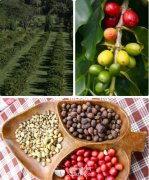
Coffee classification
Special classification system of coffee: 1. Subgenus Coffea: 2. Malagasy coffee subgenus: 3. Subgenus Pala Coffee: 4. Age coffee subgenus: a, red coffee group: B, thick-skinned coffee group: C, Mozambican coffee group: d, black fruit coffee group E, dwarf coffee group: red fruit coffee group: a) Arabica species: Tibica varieties: (Tp)

Coffee botany knowledge-Malaysia Coffee City White Coffee
According to the botanical description of coffee: coffee is Rubiaceae, coffee genus, perennial evergreen shrubs or small trees. There are more than 60 types of coffee classified, but there are roughly two varieties of coffee grown commercially on a large scale, one is Arabica, accounting for about 70 percent of the world's coffee planting area, and the other is Robasta, accounting for about 30 percent of the world's coffee planting area. According to our country
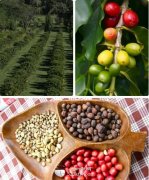
Coffee classification system
Special classification system of coffee: 1. Subgenus Coffea: 2. Malagasy coffee subgenus: 3. Subgenus Pala Coffee: 4. Age coffee subgenus: a, red coffee group: B, thick-skinned coffee group: C, Mozambican coffee group: d, black fruit coffee group E, dwarf coffee group: red fruit coffee group: a) Arabica species: Tibica varieties: (Tp)

Which is better for coffee beans with large grains and small grains?
Which of the large grains of coffee beans is better A. China: Yunnan coffee has a high performance-to-price ratio (recommended: Yunnan small grain coffee) B. Mexico: Aldura coffee has wine aroma (recommended: Aldura coffee) C. Brazil: Brazil Bourbon Santos coffee quality is good, popular taste (specifically recommended: bourbon Santos coffee) D. Tanzania: Kilima
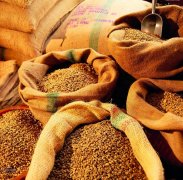
Knowledge of coffee botany basic knowledge of fine coffee
According to the botanical description of coffee: coffee is Rubiaceae, coffee genus, perennial evergreen shrubs or small trees. There are more than 60 types of coffee classified, but there are roughly two varieties of coffee grown commercially on a large scale, one is Arabica, accounting for about 70 percent of the world's coffee planting area, and the other is Robasta, accounting for about 30 percent of the world's coffee planting area. According to our country

Coffee botany is mainly divided into the following five varieties
There are more than 60 types of coffee classified, but there are roughly two varieties of coffee grown commercially on a large scale, one is Arabica, accounting for about 70 percent of the world's coffee planting area, and the other is Robasta, accounting for about 30 percent of the world's coffee planting area. According to our national standards, the classification of coffee is mainly divided into the following five varieties. 1. Small seed coffee, that is, Arabian species. Original production
Kenya Coffee Flavor and Taste introduction to the varieties of African and Kenyan coffee beans
In less than a century, Kenya has become home to no less than four new varieties. First, the Scott Lab (ScottLaboratories) identified the famous SL-28 and SL-34 of the 1930s. They combine amazing flavor and drought resistance.

Knowledge of Coffee Variety Classification
Special classification system of coffee: 1. Subgenus Coffea: 2. Malagasy coffee subgenus: 3. Subgenus Pala Coffee: 4. Age coffee subgenus: a, red coffee group: B, thick-skinned coffee group: C, Mozambican coffee group: d, black fruit coffee group E, dwarf coffee group: red fruit coffee group: a) Arabica species: Tibica varieties: (Tp)

Bitter and fragrant Guatemala Antigua boutique coffee beans slightly special south fruit highlands Guatemala Antioch
It accounts for 85% of total coffee production, including Brazil, Colombia, Guatemala, Ethiopia and so on. The beans are turquoise, thin and small, with special aroma and sweet acid, which is good to drink with other coffee. Excellent quality, more suitable for public taste. Robusta: roughly planted on the Indonesian island of Java, drought-resistant and insect-resistant; bitter in taste, but fragrant in bitterness, especially
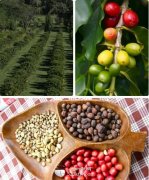
Coffee Common sense Coffee Special Classification system
Special classification system of coffee: 1. Subgenus Coffea: 2. Malagasy coffee subgenus: 3. Subgenus Pala Coffee: 4. Age coffee subgenus: a, red coffee group: B, thick-skinned coffee group: C, Mozambican coffee group: d, black fruit coffee group E, dwarf coffee group: red fruit coffee group: a) Arabica species: Tibica varieties: (Tp)

How many varieties of coffee beans are there in the world
There are more than 70 kinds of coffee in the world, of which 3 are mainly cultivated in China. ① small seed species, also known as Arabica coffee, is native to Ethiopia and is cultivated in Taiwan, Fujian, Guangdong, Guangxi, Yunnan and Sichuan. Shrub, 4-6 m tall, with many branches in the basal part; leaves thinly leathery, ovate-lanceolate or lanceolate, entire or undulate, terminal bud green or bronzed, so

How many varieties of coffee beans are there in the world
There are more than 70 kinds of coffee in the world, of which 3 are mainly cultivated in China. ① small seed species, also known as Arabica coffee, is native to Ethiopia and is cultivated in Taiwan, Fujian, Guangdong, Guangxi, Yunnan and Sichuan. Shrub, 4-6 m tall, with many branches in the basal part; leaves thinly leathery, ovate-lanceolate or lanceolate, entire or undulate, terminal bud green or bronzed, so